





Women Empowerment
By allcitynews.ng
When Nestlé happily announced, “We unlock the power of food and beverages to enhance quality of life for everyone, today and for generations to come,” some industry watchers wondered how could the management achieve such feat amidst hardship and tough business environment.
Despite the continued harsh operating environment, currently caused by banditry, general insecurity across the country and the global climate change, Nestlé has not only fulfilled its pledge, but has relentlessly sustained production of good food, good quality, good wellness products without compromising.
How is Nestle actualising this, one may ask!
It is through its regenerative food systems; going reducing harm to actively restoring ecological systems, while at the same time strengthening the social, economic and human rights foundations.
The management has refuse to conform to the negative actions of some manufacturers has been focusing in production of standardised food systems and sustain nature, people and livelihoods over the long term.
And also as an attempt to keep to its goal has pruned not just food insecurity alone, but has sustained tackling of food deficiency in adults and malnutrition in children.
In spite of the harsh operating environment rising from by banditry, climate change and general insecurity across the country, Nestlé has relentlessly sustained production of good food, quality, good wellness products without compromising standard, either in taste, reduction of sizes of its products or arbitrary price increment of its products.
How verifiable is this fact one may ask? Visits by allcitynews to some markets, have through separate interviews with traders in Oke-Arin Market, Apongbon, Idumota, Mushin Markets, showed that many manufacturers have either adjusted the sizes of their products or increase the prices and some have both, they adjusted the sizes and at the same time increased the prices, but quality and prices of Nestlé products have remained the same.
When this allcitynews asked from one of the traders, how she viewed the stability in prices and sizes of Nestlé products, Mrs Angela Okonkwo, a trader in Oke-Arin Market while selling 3-in-1 Nescafe to this medium said, “Most of us are also surprised. Although most manufacturers have adjusted their prices and sizes of their products, but Nestlé has remained consistent in prices and sizes of their products. It is sign that Nestlé is not only in manufacturing business but it is out to serve humanity,” she said.
It was not surprised when
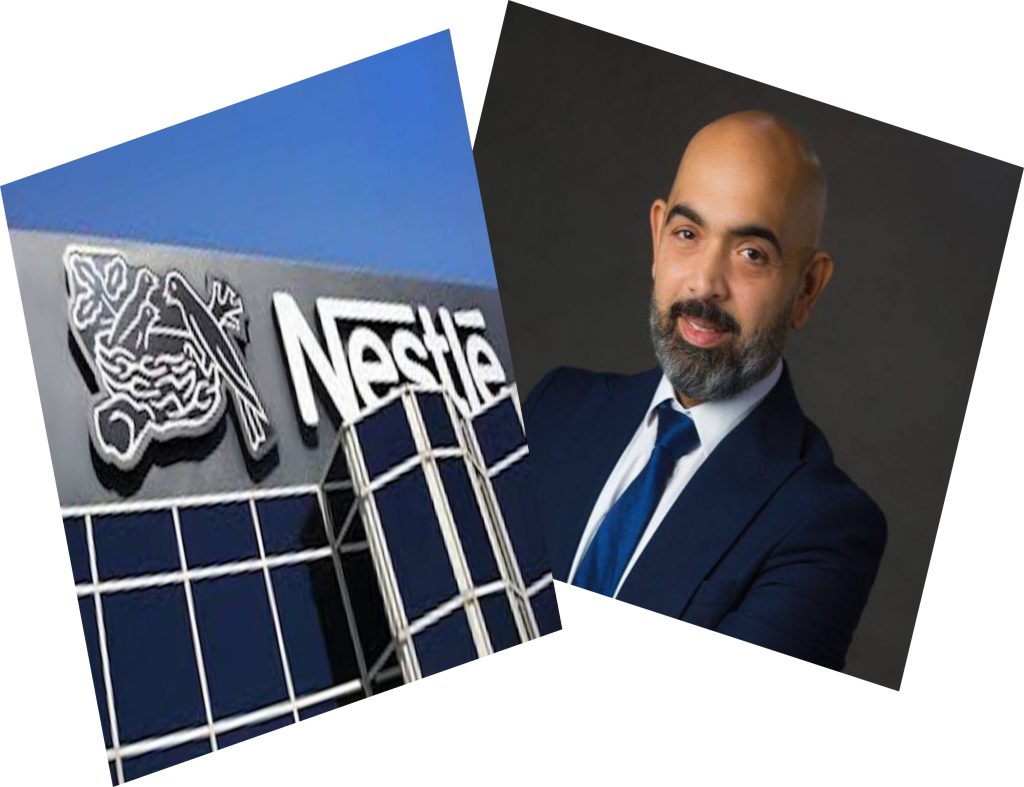
the Managing Director and Chief Executive Officer of Nestlé Plc, Wassim Elhusseini, since he came into office September 1, 2020, has been blowing the trumpets of assurances on how the company is working to ensure all products must pass the tests of standardisation whereby adults, youth even new born babies are inclusively protected.
“The global food system is at a critical juncture. The effects of a warming planet, the resulting nature and biodiversity loss, and extreme weather events are more evident. Climate change is speeding up the depletion of natural resources and damaging the natural ecosystems we rely on to produce food.
“We play our part in addressing these challenges through key initiatives, our roots of net zero integrated climate and nature transition plan. The Nestlé Agriculture Framework and our Human Rights Framework and Roadmap that support our continuous growth and our ability to serve future generations of consumers.”
Moreover, working in line with the goals and objectives of Nestlé, Elhusseini reiterated that, “We recognize that transforming how food is grown takes time and must be tailored to diverse agronomic, climatic and socioeconomic contexts. The effort requires understanding and support from all actors involved, from governments, academia and NGOs to peer companies and competitors, financial institutions and commodity traders. We all have a part to play in helping make regenerative food systems a reality.”
Similarly he maintained that “We understand that shifting from traditional practices to new ways of farming can be difficult, which is why we follow a holistic approach that includes finance and incentives, training, and creating market demand for ingredients grown on farms that have adopted regenerative agriculture practices.
Supporting a just transition, noted the Nestlé helmsman, “the shift to regenerative agriculture practices, and on-farm productive land and landscape conservation and restoration practices, must be accompanied by a just transition.
“This is why we are helping farmers by providing financial support, remunerating good practices and offering technical and scientific guidance, through programs like the Nespresso Sustainable Quality Plan and the income accelerator programme. This approach, along with the respect and promotion of human rights, is designed to contribute to a just transition to new practices throughout our supply chains.”
However laudable these goals can be, yet, inclusiveness of women has always been kept as task that must be done Nestlé Nigeria. As such, it has beamed its torchlight towards promotion of women’s inclusiveness and empowerment across its agricultural and value chains through targeted training, technical support, and economic initiatives.
One may ask, how is Nestlé achieving this!
It is simply by key initiatives and support for women.
As such, Nestlé agricultural training and technical support has engaged female smallholder farmers across Nigeria through regional and global programme, including the Nestlé Cocoa Plan, Nescafé Plan, and the Grains Quality Improvement Project (GQIP), whereby it is providing quality seeds, modern tools, sustainable farming practices, and training to reduce mycotoxins and increase crop yields.
Not ending here, Nestlé dairy and value, have upskilled and trained roughly 3,000 women within cooperative clusters, while broader grain-sector and community partnerships touch tens of thousands of rural farmers, many of whom are women.
Furthermore, Nestlé through empowering rural women in Nigeria, in 2021, launched flagship programme meant to supports female retailers and entrepreneurs in Nestlé’s value chain. The initiative has reached approximately 431 women across multiple locations, such as Agbara and Calabar.
To fast track its actualisation of its plan, Nestlé has embarked on training, mentorship, and giving of grants, whereby participants receive structured training in entrepreneurship, book-keeping, merchandising, and customer service, alongside three months of personal mentorship and product grants valued at up to three times their monthly sales to help scale their businesses.
And women inclusion spread by grains quality improvement project (GQIP). That is, it introduced in Nigeria in partnership with agricultural ministries and research institutes, GQIP specifically integrates and trains women farmers to improve safety, crop quality, and household incomesHow Nestlé pursue, achieve, sustain good food, good life, amidst harsh amidst climate change, banditry.
Allcitynews.ng/allcitynews.blog is
Reliable “AS IT DEY HOT NEWS” Platform.
You have press release. Have Breaking News With Pictorial Evidence? Need Coverage For Event or Press Conference, Advert Placement? Or you want to support us with donations!
Kindly contact: allcitynews86@gmail.com
Goal of allcitynews.ng/allcitynews.blog:-
To interface between policy makers & general public, be most influential, informative and reliable issues-based online newspaper.
Disclaimer:
Comments expressed here do not in anyway reflect the opinions of allcitynews.ng or any employee thereof


More Stories
UBA Launches Group-Wide Climate Action Week to Advance Green Finance and Sustainability Environment
FIRS expresses readiness to host National Conference on Illicit Financial flows, to boost revenue protection